

Who we are, where we came from, and the stories of the future we deserve – this is what drives Will Evans, founder of Dallas-based publisher Deep Vellum, in his mission to bring translated fiction to wider audiences. Emily Wilcox reaches through bookstores for the stars.
Published:
14.10.2026
Writer:
Emily Wilcox
From dated cave drawings to slang-stuffed emails, we’ve been hurdling over language barriers for millennia now. Not by removing them – but improving them. By stationing a storyteller who thinks in multiple tongues, with the ability to weave the words of countless cultures into the fabric of society, at the forefront of what first came as campfire tales, now stoked into the modern publishing world as it stands.
Today, 7,170 languages are spoken. With 195 countries on this Earth, each country containing tens if not hundreds of living languages, so it’s outrageous to think that the only stories worth telling are those told in your native lexicon. There are 1.5 billion speakers of the English language. Known as the ‘universal language’ or ‘lingua franca’, English has, and continues to be, the bridge that connects the world. But it isn’t the only route around it.
Almost 1.2 billion people speak in Mandarin, 600 million in Hindi and half a billion in Spanish. Even the 1,078 endangered languages deserve a spot on the shelf. More so, even. Fading languages like Khanty, local to Western Siberia, used by only 10,000 people. Or fewer still for Ongota, spoken by only ten elders in Southwest Ethiopia. With their words teetering towards extinction, now more than ever do they need to be brought back from the brink and immortalised in ink.
Technology aids us greatly. Google can translate almost 250 languages. We’ve even developed devices that allow us to interpret the communication patterns of mushrooms (oh to be fluent in fungi!). But what about the other 6,920 languages left lying dormant beneath the ever-increasing piles of English-published books each year?
Welcome; publishers of literary translations.
In recent years, translated books have skyrocketed in popularity. Titles you might recognise, from 1950s post-war Naples to whimsical malls embedded deep in the dream psyche, these novels include; Before the Coffee Gets Cold, written by Toshikazu Kawaguchi and translated from Japanese by Geoffrey Trousselot (and four others within the series); My Brilliant Friend, written by Elena Ferrante in Italian and translated by Ann Goldstein (and the three others within the Neapolitan Quartet); and DallerGut Dream Department Store, written by Miye Lee and translated from Korean into English by Sandy Joosun Lee (as well as the sequel).
For eras, however, we’ve desired these faraway stories. Beloved books – The Odyssey (written in archaic Greek), Les Misérables (French), Metamorphosis and Other Stories (German), The Count of Monte Cristo (French), The Girl with the Dragon Tattoo (Swedish), Madame Bovary (French), All Quiet on the Western Front (German), Don Quixote (Spanish), A Man Called Ove (Swedish), The Vegetarian (Korean) – were, are and remain to be popular to this day. We crave legible delicacies from around the world the same way we populate our streets with cultural cuisine. They sustain our humanity.
None of which would be possible were it not for the dynamic author-translator duo. Had the latter not become multilingual, we’d never know if Odysseus made it home, nor how quiet the Western Front truly was, nor a single thing about the man named Ove. Even religion would be capped by linguistic coastlines, trapped inside a single domain, if not for polyglots and their miraculous abilities.
Much like Dallas, pre-2013, previously bare of books by other countries, communities or cultures. Until a man named Will decided to change that.
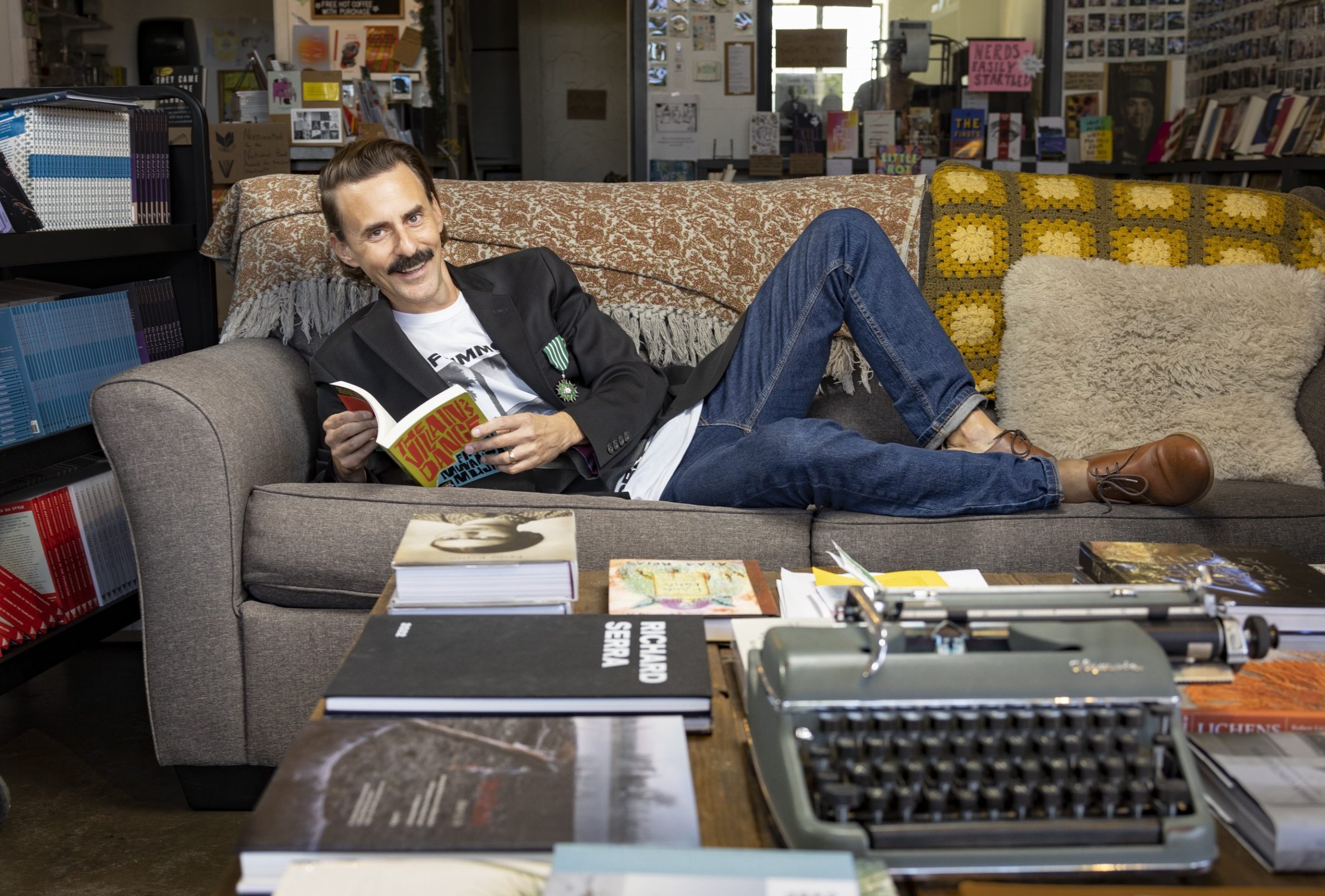
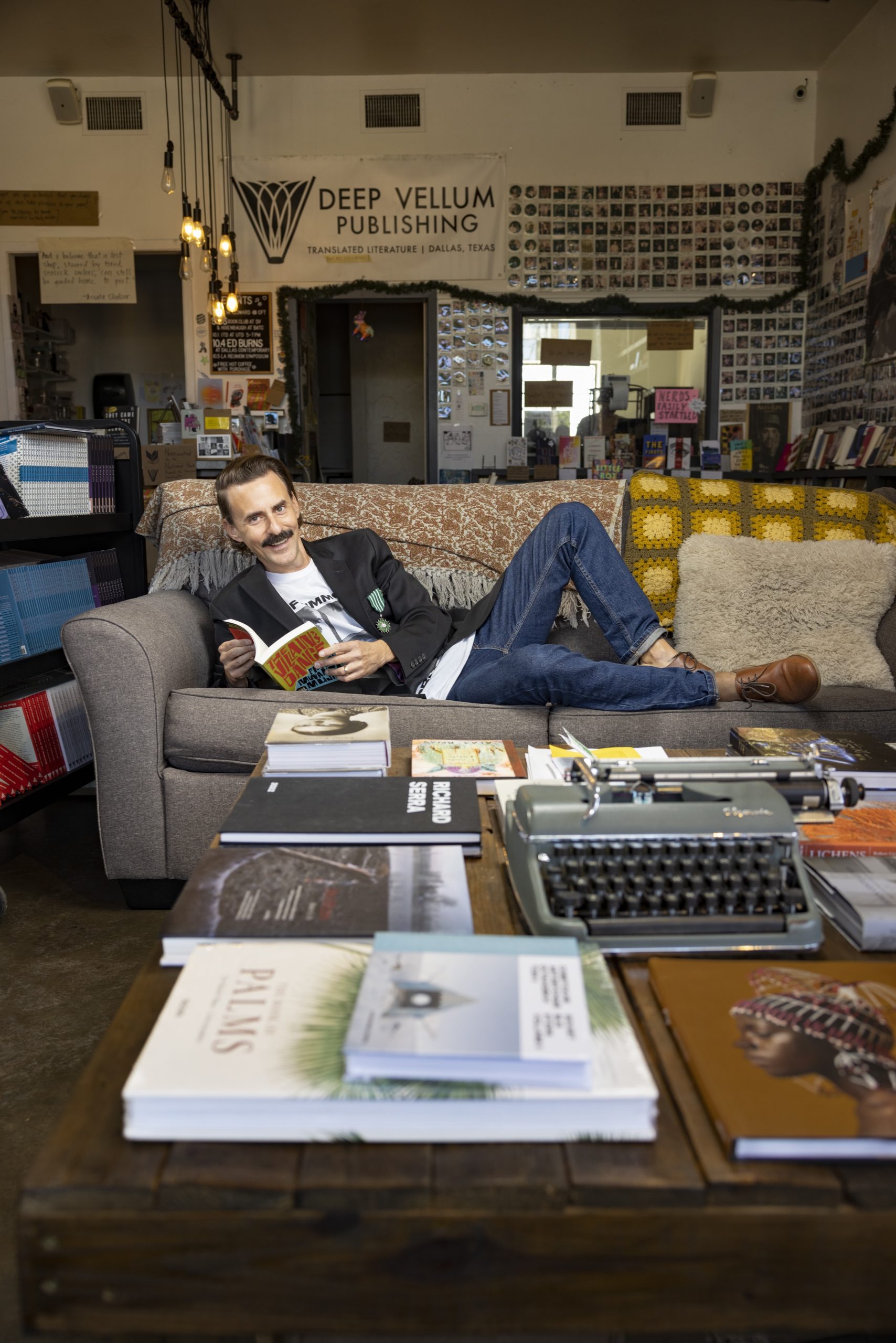
Meet; Deep Vellum. The US’s largest independent publisher of translated works, founded by Will Evans. Having moved to Dallas, he soon learned it was a space absent of global literature; so Deep Vellum took root. The aim, he said, was to “set up as a non-profit, to look for the best underrepresented writers from all over the world and, more than that, to reach out to the readers who’ve been left out of the literary conversation. Bringing the world to Dallas and Dallas to the world.” One that holds true today.
“I saw the opportunity to build a transformational literary movement in this city of unlimited ambition,” he admits. Within five years, 90 international works wore its name – a number that has only grown exponentially. Deep Vellum now encompasses seven distinct publishing imprints, with a backlist that boasts more than 1,500 titles from over 100 countries.
“From the earliest days of Deep Vellum, we’ve prioritised the grand diversity that literature can offer, with books from as many different styles, languages, countries, backgrounds, perspectives, showcasing the great potential of the written word to elevate, enrich, entertain and engender the grand human experience,” says Will.
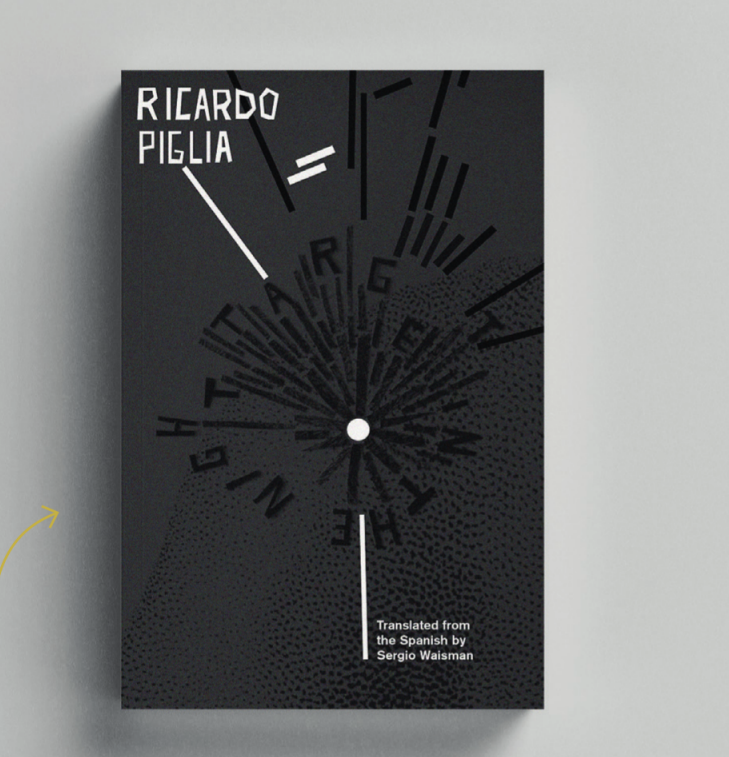
They began with contemporaries, with living authors. “But when the great Argentine writer, Ricardo Piglia (whose Target in the Night translated by Sergio Waisman was one of our first ten books), passed away, we did away with the living author requirement, and started prioritising immortal literature,” Will explains.
True to their name, their catalogue runs deep, including fiction, non-fiction, poetry, drama, photography and children’s books. Though they publish both English original work and worldwide translations, French remains their most commonly translated language.
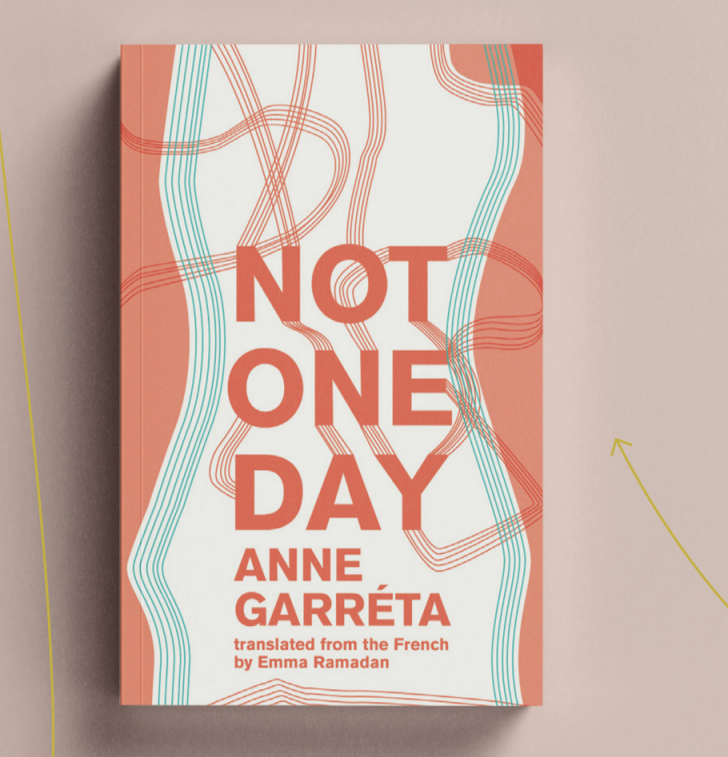
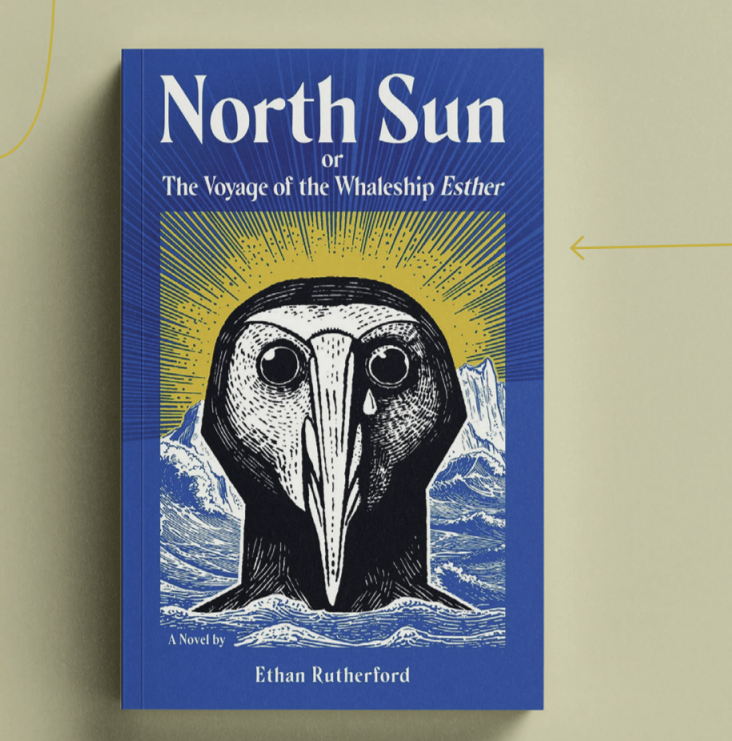
“We’re proud to publish books translated from French by authors from over a dozen countries, using French as a bridge to read more broadly across the world, including writers from Haiti, Mauritius, Democratic Republic of Congo, Algeria, and beyond,” Will tells me.
But they’re built of more than just bookshelves. Their trophy shelf weighs heavy with Nobel Prizes, Pulitzer Prizes, International Booker Prizes and a great many more. “We received the praise of Roberto Calasso and Christopher MacLehose,” the revered Italian and British publishers, respectively, “Which meant a lot to Deep Vellum, as did Anne Garréta and Emma Ramadan winning the Albertine Prize for Not One Day, or Ethan Rutherford at the National Book Awards. These are joyful reminders of how we are all in this together, all across the world, at all times.”
Humanity and connection seem to bind their endeavours; stitched into the spine, the soul, the heart. “The stories Dallas needs to know are the same stories readers everywhere need: We crave the full potential of human thought and human expression, to show us who we are, where we have come from, what the city is now, and, through these stories, together we can write the stories of the future we deserve.”
Deep Vellum’s mission is to bring the world into conversation through literature. To allow individuals to leaf through languages and find their people. People who, were they to meet in the flesh, might exchange nothing more than a smile – but because of those who possess multiple narrators in their minds, we can now swap shoes. Walk in them. Take the paths they forged for us.
The power of translation is more than just a wider audience; it unlocks a greater understanding, drawing the curtains back on a window into a world we’d previously been unable to access. It’s a deeper audience. Vellum thick and Dallas bound. Allowing us to scavenge for stories in soil that’s not our own, stories worth writing home about – to many homes, in many countries, for many to explore.
After all, in libras libertas. In books, lies freedom.
And therein lies the point. Dallas, once a city, now the epicentre of entire worlds, thanks to the stories orbiting Deep Vellum’s bookstore like paper-folded stars. Freedom gifted by translators, who wrangle those very stars for us – seven thousand of them – and unfold them in our hands. Translated literature expands your universe. Per bibliopolia ad astra.
Through bookstores to the stars.