

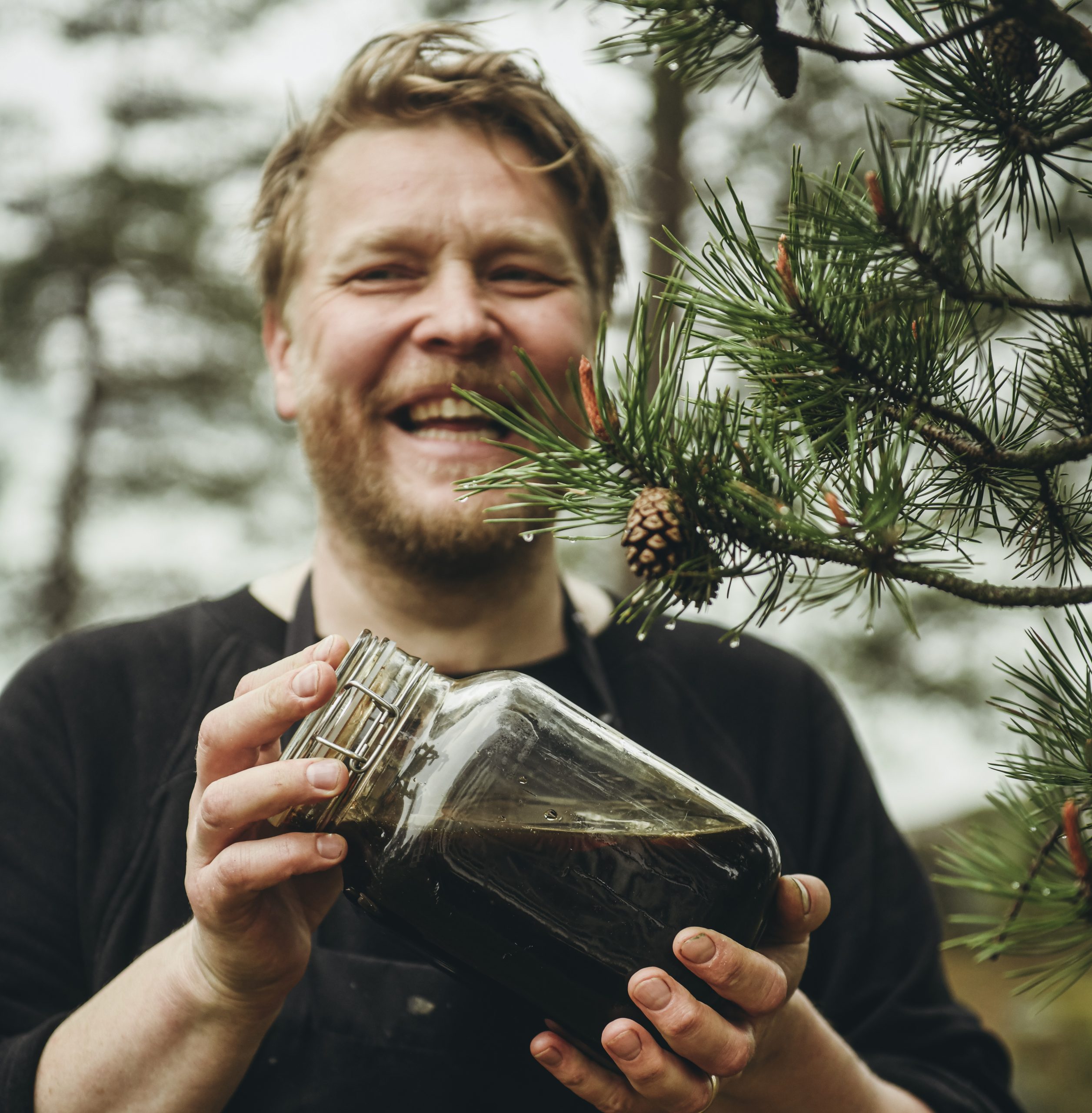
Award-winning chef, food writer and foraging advocate Sami Tallberg chats with Nicola Capper about the world of wild nourishment and why we all need to awaken both our senses and our understanding of this free and underused resource.
Published:
14.10.2026
Writer:
Nicola Capper
Award-winning chef, food writer and foraging advocate Sami Tallberg chats with Nicola Capper about the world of wild nourishment and why we all need to awaken both our senses and our understanding of this free and underused resource.
Making his name at some of London’s finest restaurants, including The Ivy and The Rivington Grill, it was through a chance encounter with one of the UK’s foremost professional foragers that Sami Tallberg would define his cooking philosophy and discover a secret world of edible possibilities.
Since returning to Finland in 2008 on a mission to dive deeper into the characteristics of Nordic food, the award-winning chef has not only published several best-selling books designed so everyone can understand the ethos, beauty and versatility of wild nourishment, but also become an award-winning ambassador for the forager’s way of life.
Splitting his time between Helsinki and the remote wilderness of Lapland, Sami shares with readers, clients and diners alike not only his culinary expertise based on the seasonal ingredients of his homeland, but also a heartfelt passion for the health benefits, traditions and contemporary uses of what Mother Nature provides.
So, to coincide with the release of his latest book, Chef’s Wild Nordic: Recipes for 72 MicroSeasons, Ethos caught up with Sami to find out what, in his opinion, good food – and a good life – truly mean.
Can you start by telling us a little about yourself and how your Finnish heritage has influenced your approach to food?
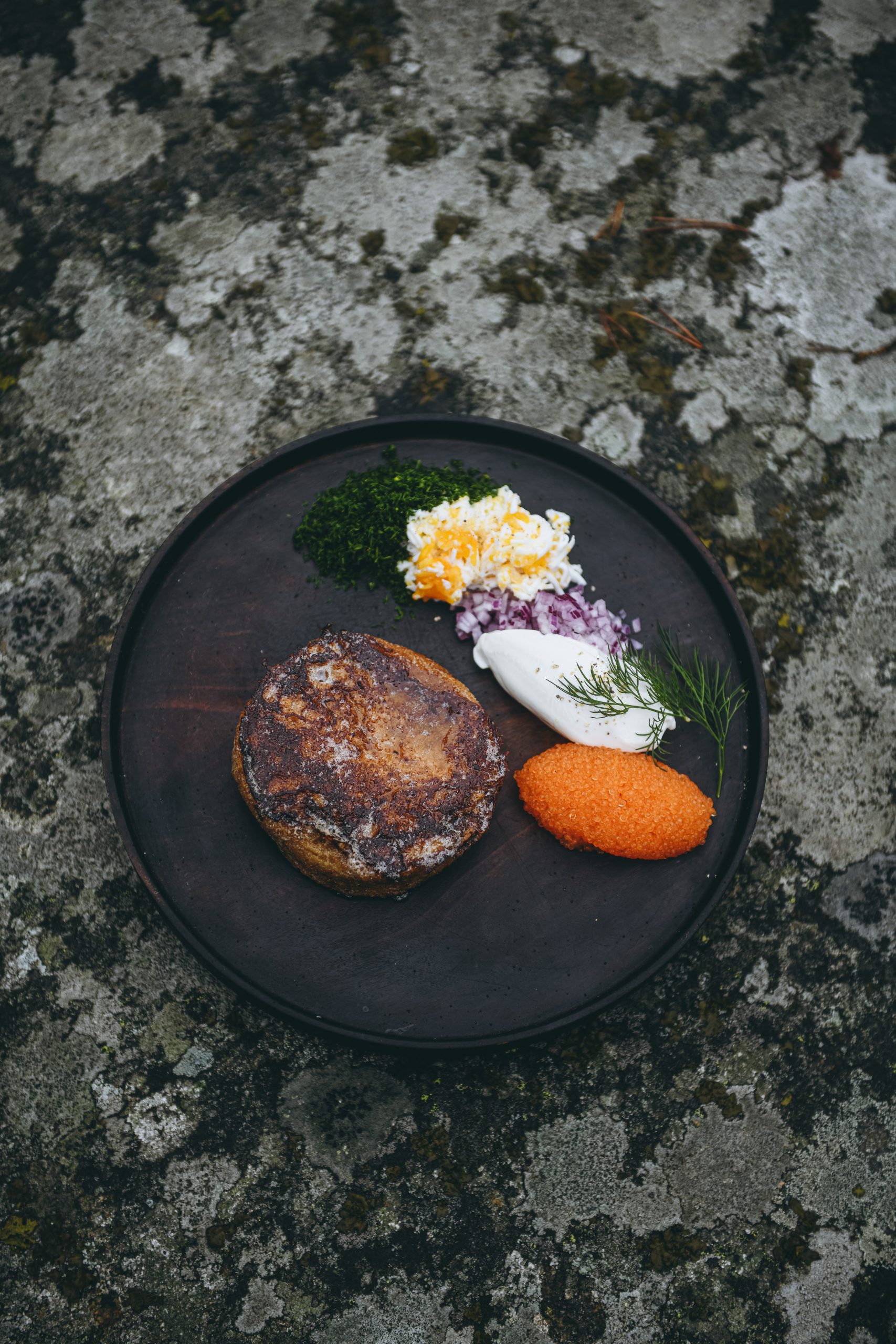
Thanks to ‘Jokamiehenoikeus’ – or ‘Everyone’s Right’, as it’s known in English – anyone living in or visiting Finland has the freedom to explore and enjoy nature and is allowed to pick wild berries, mushrooms and flowers. Which, as a professional forager, chef, author and wild food trainer, specialising in ultra-seasonal, local ingredients, means I have a bounty of edible plants, fungi and herbs at my fingertips all year round.
Today it may be slightly less commonplace to forage, but appreciation for this ancient nature-human connection has once again become really popular in Finland and around the world which, in my opinion, reflects the times we’re living in and the need within us all to be less concerned about the trivial and often draining matters of everyday life.
At what point in your career did your focus shift to wild food and foraging? Who or what was the ‘big bang’ moment?
Surreal as it may sound, but my interest in foraging was first sparked in Shoreditch around 15 years ago. I’d headed to London after graduating from culinary school and on what was another busy day in the restaurant, with nearly 100 people having lunch, out of the blue a hippie-looking stranger walked in and asked if I would like to buy some seakale. The situation was super weird, but I was intrigued so after service I invited him into the kitchen, briefly blanched it in boiling water, seasoned it with some salt and pepper and tasted it. It was amazing!
That night we served the seakale as part of our menu and it sold out in a snap. I asked the guy, Miles Irving – who has since become not only a pioneering name in the wild food renaissance but also my Sensei – to show me where could I find it. The very next morning, I found myself exploring the coast of Kent with him, foraging not just for seakale, but wild oysters and beautifully blooming wild fennel too.
This single service turned out to be a truly personal and professional ‘big bang’. That transformative trip shifted everything, starting me on a mission to dive deeper into the characteristics of Nordic food and the plethora of seasonal and wild ingredients we have in abundance in this beautiful part of the world.
In an age of the hyper-processed and convenient, what are the benefits of wild food for you, and where do you see its role today?
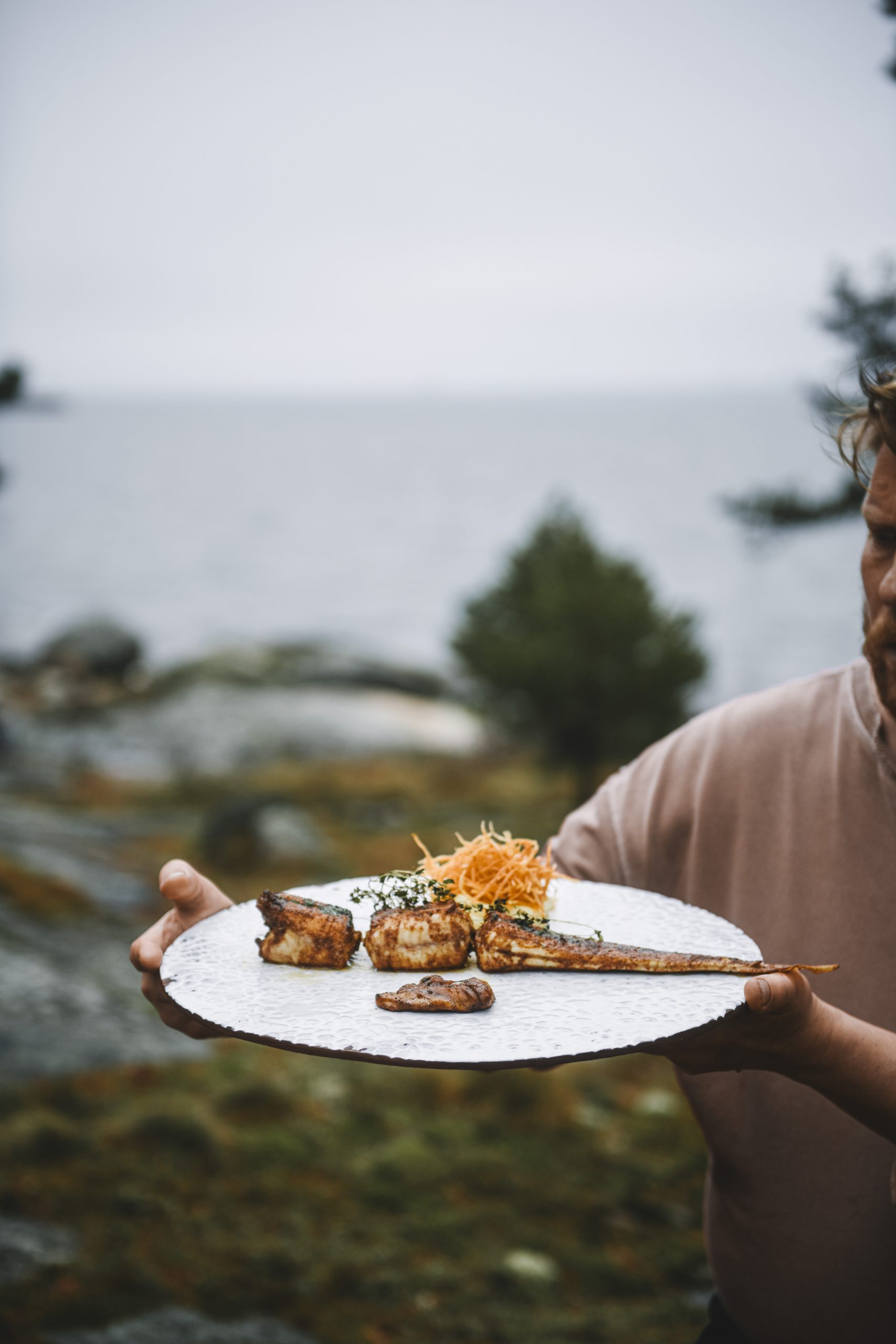
Foraged foods are health-boosting culinary fireworks that improve gut health, combat deficiencies and bolster your immune system. Unlike produce you find in the shops, they are nutrient rich as well as packed full of probiotics, prebiotics, fibres, nutrients, enzymes and phytochemicals.
My menus include over 120 edible wild plants and 80 wild mushrooms – always according to geographical location and seasonality/micro-seasonality. I then divide them into five categories: salad leaves, herbs, substantial vegetables, aromatics and then also medicinal plants. These magical ingredients offer endless possibilities and, flavour wise, they are simply outstanding. All you need is some imagination.
Finally, what would be your advice for any first-time foragers looking to incorporate wild food into their everyday lives?
Foraging is a way of life that activates a deep connection between human and nature within all of us. For anyone looking to dive in and learn how to recognise the rich variety of wild food that surrounds us, it is best to start by reading books and researching the foraging philosophy online, before booking yourself on a course.
A pro forager like me can then talk you through the incredible range of delicacies there are to discover in just one day, the different terrain types out there and where to find them, as well as how to prepare, clean and store what you find. Whether you live in the middle of a city, deep in the countryside or along the coast, this will help you expand the number of natural species in your diet.
Once you’ve learnt how to identify the right edible plant, be sure to smell it. Then taste it and think what flavours and textures it reminds you of. Then just go home and use it in the same ways you would any other ingredient – but also feel free to experiment as this is the best way to develop your instincts and turn the cooking process into a culinary adventure.
Wherever you forage though, just be sure to treat the plants, trees, shrubs and mushrooms with respect. It is also recommended to only go foraging in the morning when Mother Nature is at her best and your mind is clear and receptive. It takes time to learn and identify wild herbs, mushrooms and plants but once you get going, you’ll have that skill for the rest of your life – there really is no going back.
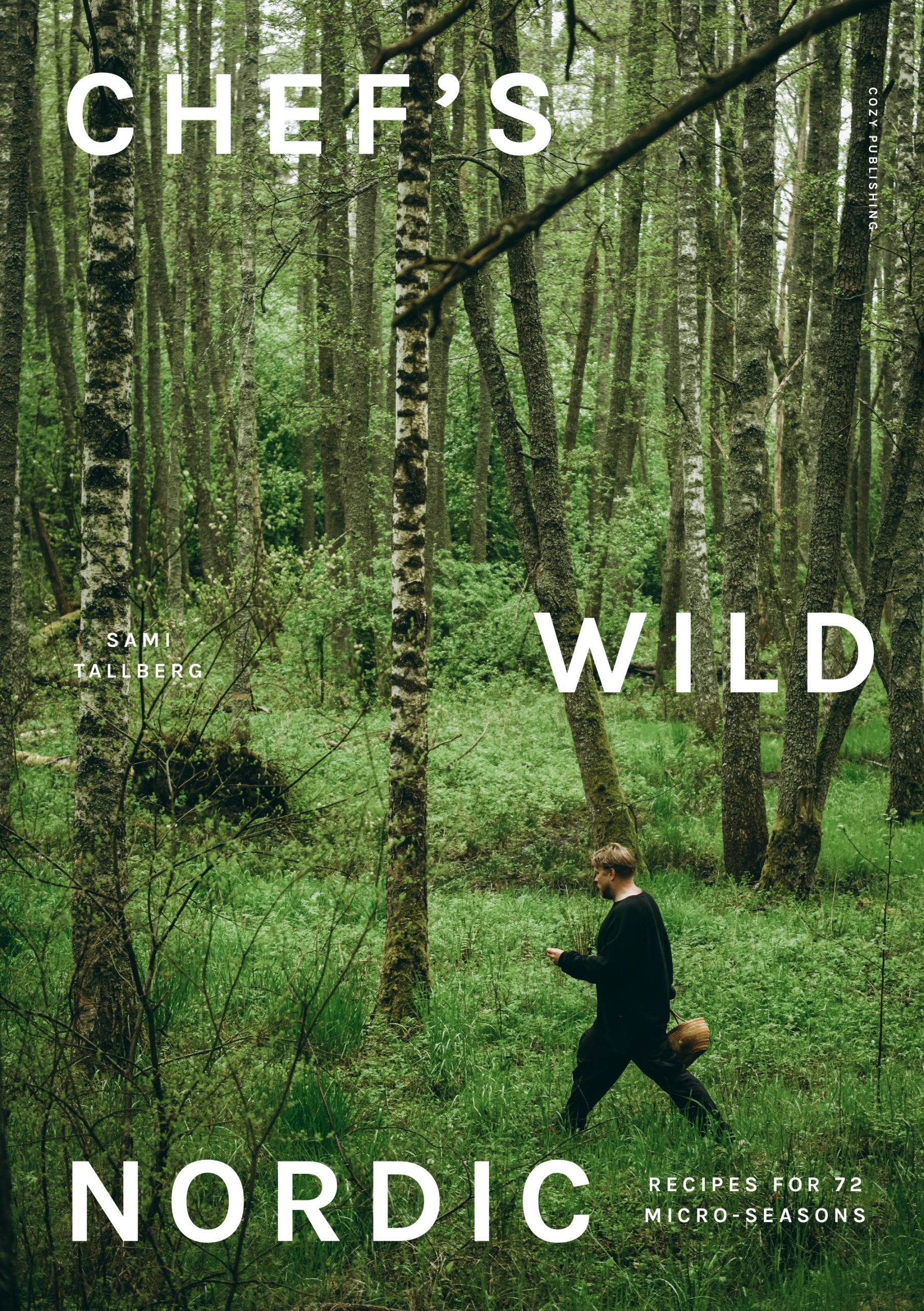
Order the book: Chef’s Wild Nordic: Recipes for 72 Micro-Seasons by Sami Tallberg (Cozy Publishing, €36) is out now.
All Photography: Viola Minerva Virtamo © Cozy Publishing.