

Short bits: the numbers behind the news, is a regular feature in Ethos covering good and interesting stories from around the globe. Ethos 24’s Short bits was curated and written by Faaiza Akbor.
Published:
05.05.2026
Writer:
Faaiza Akbor
Building blocks – Kyrgyzstan
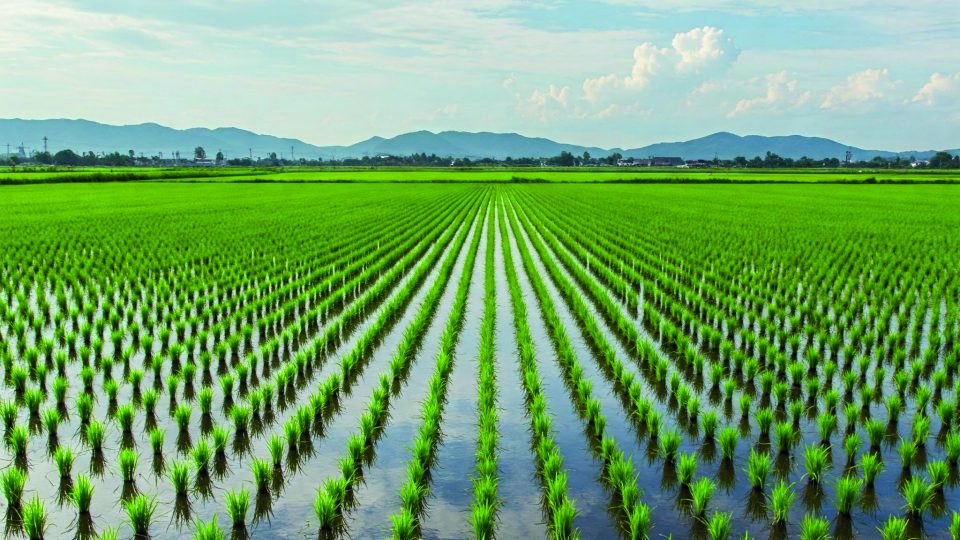
Rice grains have had a shifting role in Asian societies. Rice that’s unsuitable for sale is now being treated as a physical substance that can be used as a mouldable material.
Rice grains are usually thrown into fields, harming the environment and inhabitants, as it can create a fire risk. Instead, recycling rice and treating it as matter and design has economic and environmental benefits.
How does it work?
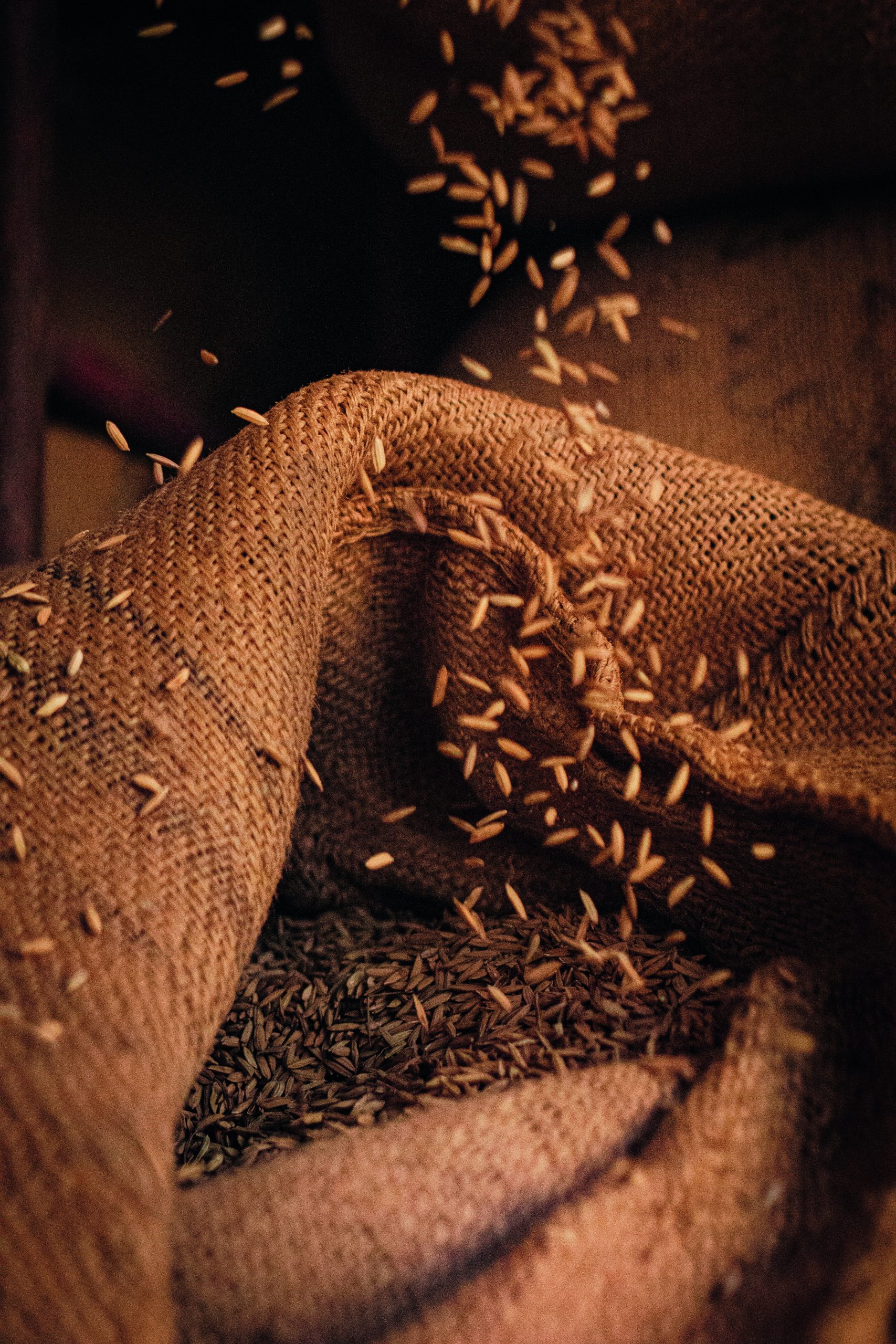
Combining multiple rice particles creates denser structures and complex textures. Different rice varieties – brown or black rice – also lead to different tonal qualities and palette ranges.
Houses in Kyrgyzstan are made of 60% rice husks. Cement is responsible for approximately 8% of global carbon dioxide emissions, according to 2023 figures from the World Economic Forum – this approach requires far less cement.
The pearl in the oyster – England’s North Sea coastline
The Lunya Oyster Project is a collaboration between Norfolk Seaweed and Oyster Heaven, aiming to restore 4 million oysters to the North Sea.
The project uses ‘Mother Reefs’ – clay structures designed to act as a foundation on the seafloor. Each structure is pre-charged with over 100 baby oysters to ensure survival and growth
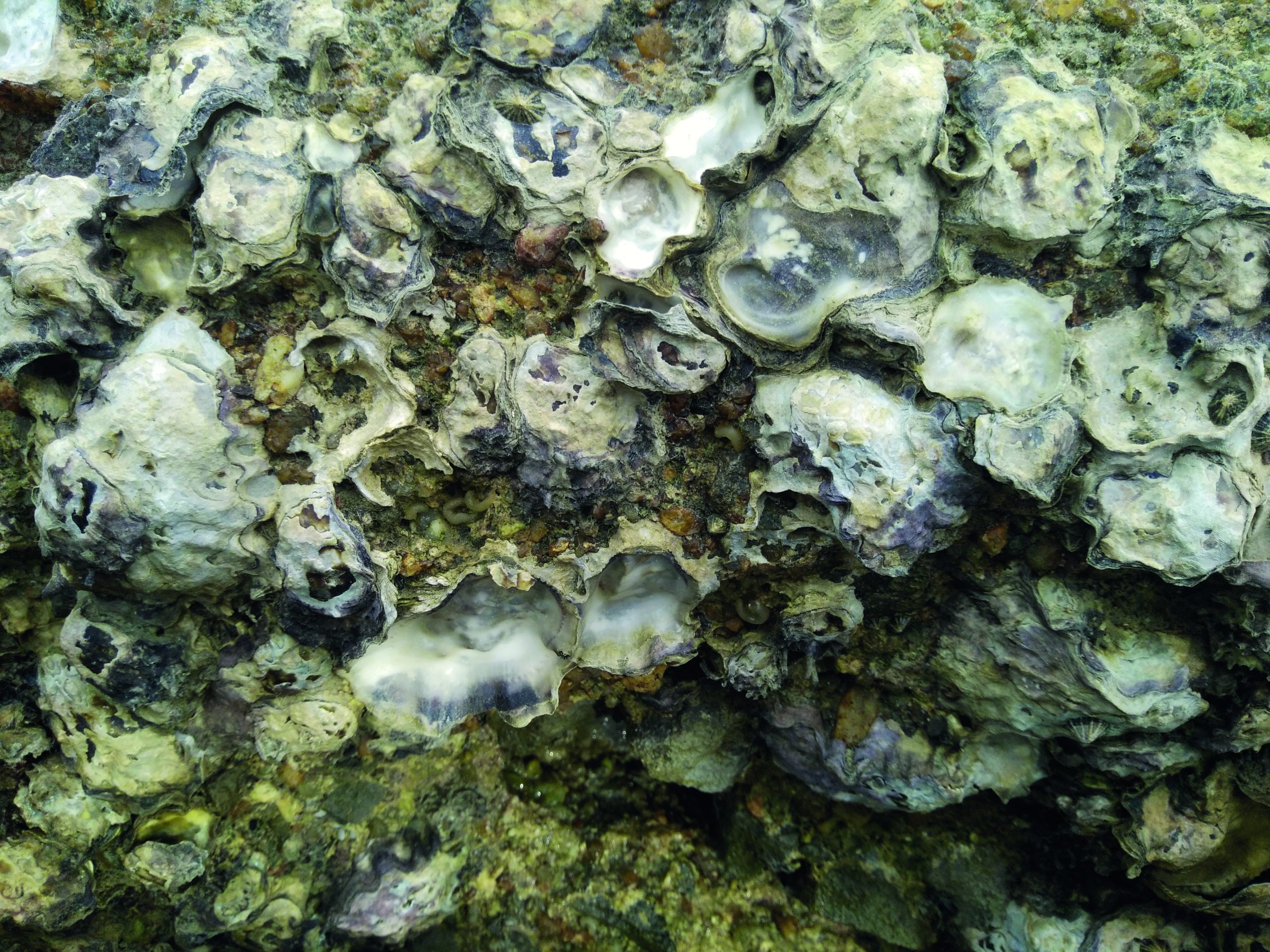
Across Europe, there are scattered fragments of oyster reefs that are now slowly being rehoused. Since April 2025, millions of baby oysters from Morecambe Bay have been rehoused and are slowly forming their own natural reefs.
The oysters will be monitored for a decade, to form a self-sustaining reef that improves water quality which will also increase biodiversity as oysters filter 200 litres of water every day.
A breath of fresh air – Global change
Our air quality is improving… Paris has introduced ‘school streets’ where cars aren’t allowed to drive near schools, alongside more accessible walking and cycling routes. Warsaw has introduced a low emission zone to combat transport emissions.
Since its 2023 launch in London, Breathe Cities has been taking action to improve the air 77 million people breathe, by raising public awareness and offering tools for cleaner air.
Cities participating include Berlin, Beijing, Warsaw, Bangkok and Paris.
Air pollution contributes to serious health conditions like cardiovascular and respiratory disease, premature birth and low birth weight.
Breathe Air supports city leaders and decision makers to take action by implementing policies, working with grassroots organisations and accelerating decarbonisation.
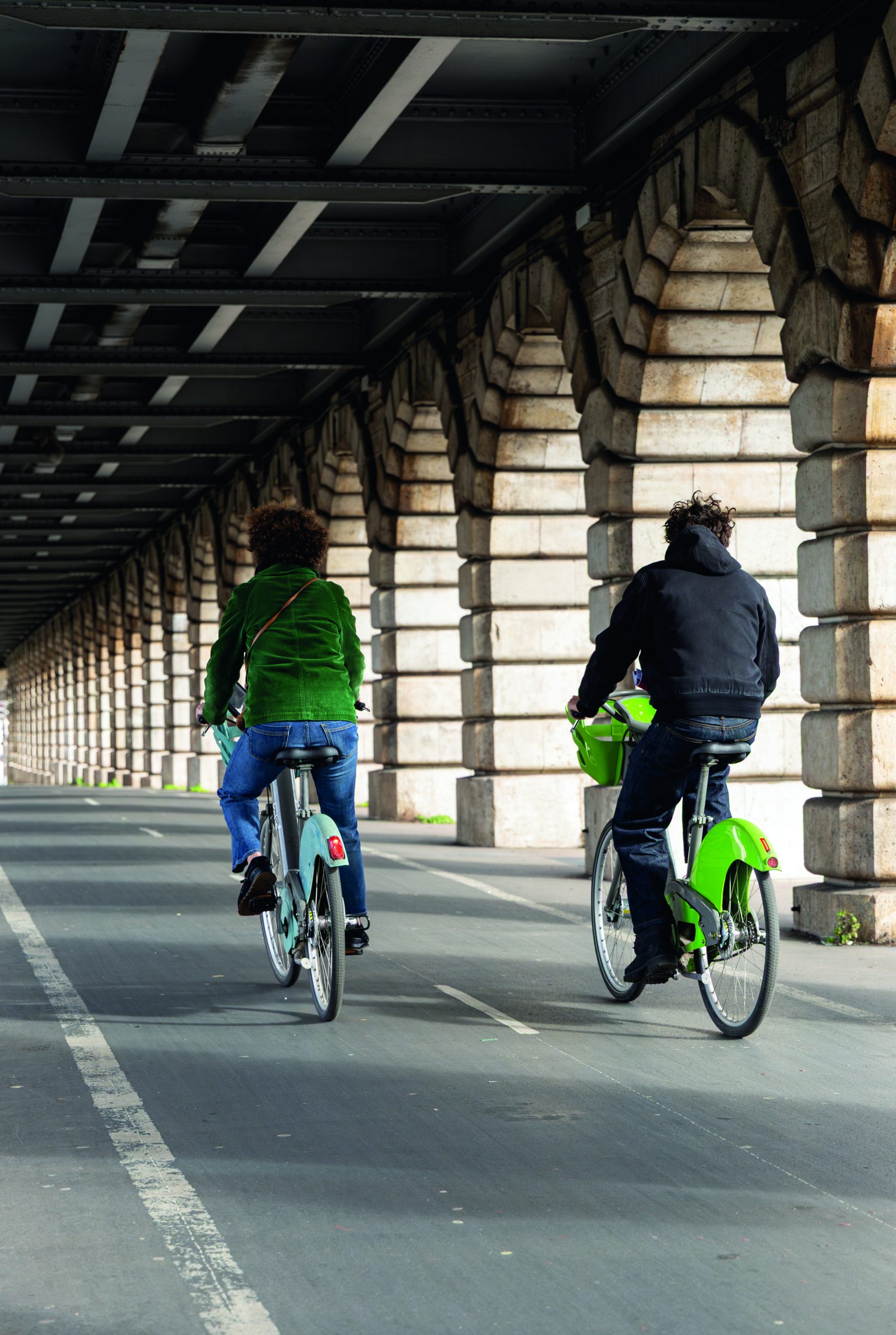
Image credits: Unsplash and Shutterstock