


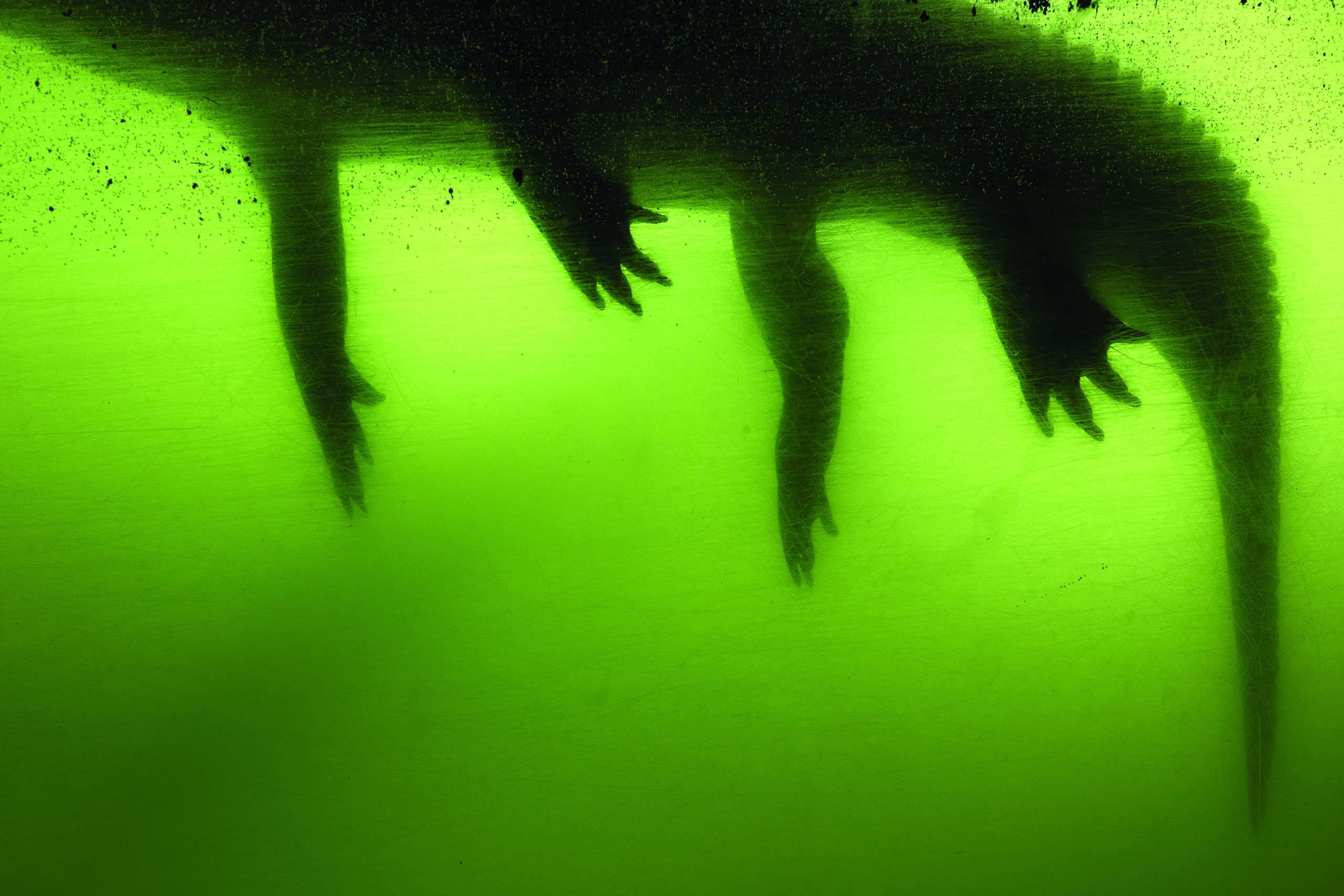
American artist and observational photographer Anastasia Samoylova’s journey has been shaped by place. Anastasia reflects on her photographic career and the projects FloodZone and Atlantic Coast in conversation with Holly Carter.
Published:
14.04.2026
Writer:
Holly Carter
In 2008, Anastasia moved to the United States and, using photography, documented the surrounding environment to understand “how identity is constructed visually – through architecture, advertising, tourism, and aspiration,” she explains. “Early on, [I] was interested in how images create belief. Over time, that curiosity evolved into a sustained investigation of coastal cities, particularly those shaped by development, climate risk, and spectacle.”
Anastasia doesn’t consider herself a traditional photojournalist, working “slowing and [observing] patterns over time” and explains that her projects “unfold across years, sometimes across entire coastlines. Books and exhibitions allow the work to travel, enter libraries, classrooms, and institutions and remain accessible beyond a single moment.” She adds: “what began as a personal inquiry into belonging has grown into a broader examination of how we build, inhabit, and imagine the places we call home.”
Emerging amidst Hurricane Irma, FloodZone documents Miami, the city where Anastasia lives, as a “landscape suspended between optimism and vulnerability”. Interested in the everyday, she didn’t document the disastrous event itself, but “pastel facades, rising water, construction sites [and] palm trees bending in the wind.” Her work captures “a city performing resilience while quietly negotiating risk”, she explains.
In contrast to Floodzone, with its personal and local connotations, Atlantic Coast, her latest project, is “systemic,” says Anastasia. “Atlantic Coast expands that inquiry northward along U.S. Route 1, tracing the eastern seaboard from Florida to Maine.” The project maps the “infrastructure, maritime trade, tourism economies, and the layered histories of American expansion”. As with Floodzone, she explains her “approach is similar – attentive, observational, attuned to surface and structure – but the scale shifts from one city to an entire coastline”.
From streets to shorelines, Anastasia captures life and its patterns, of the places we call home.
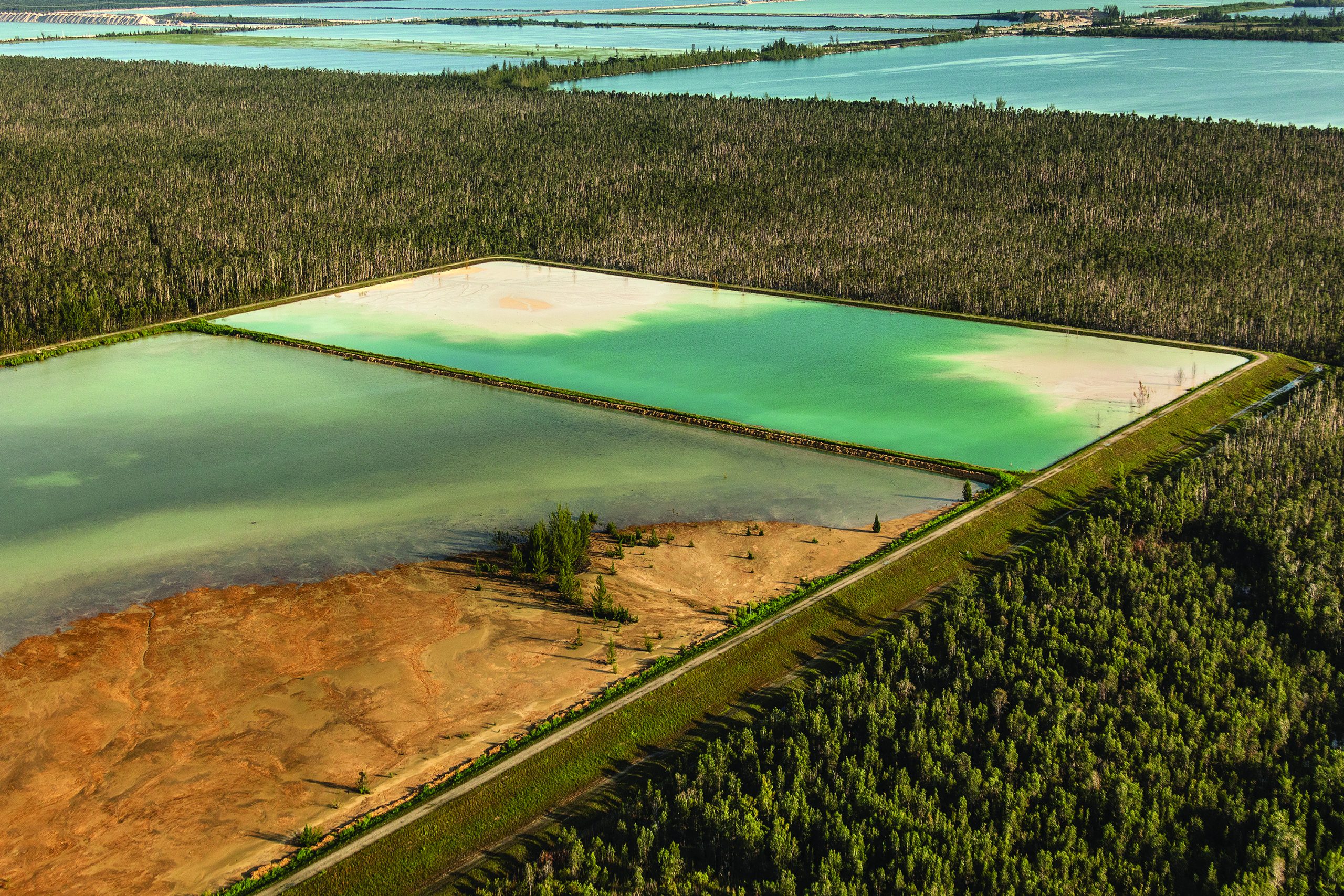
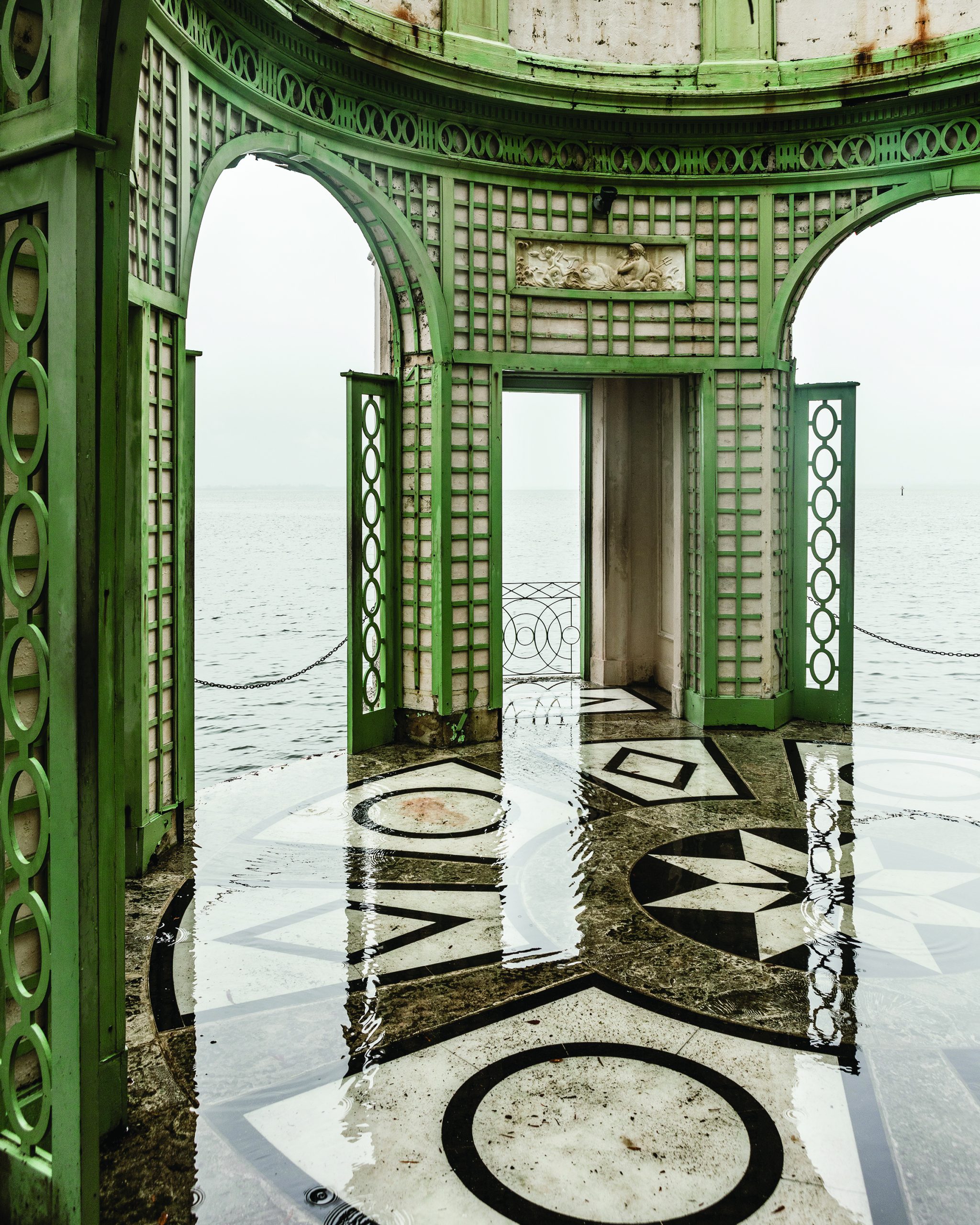
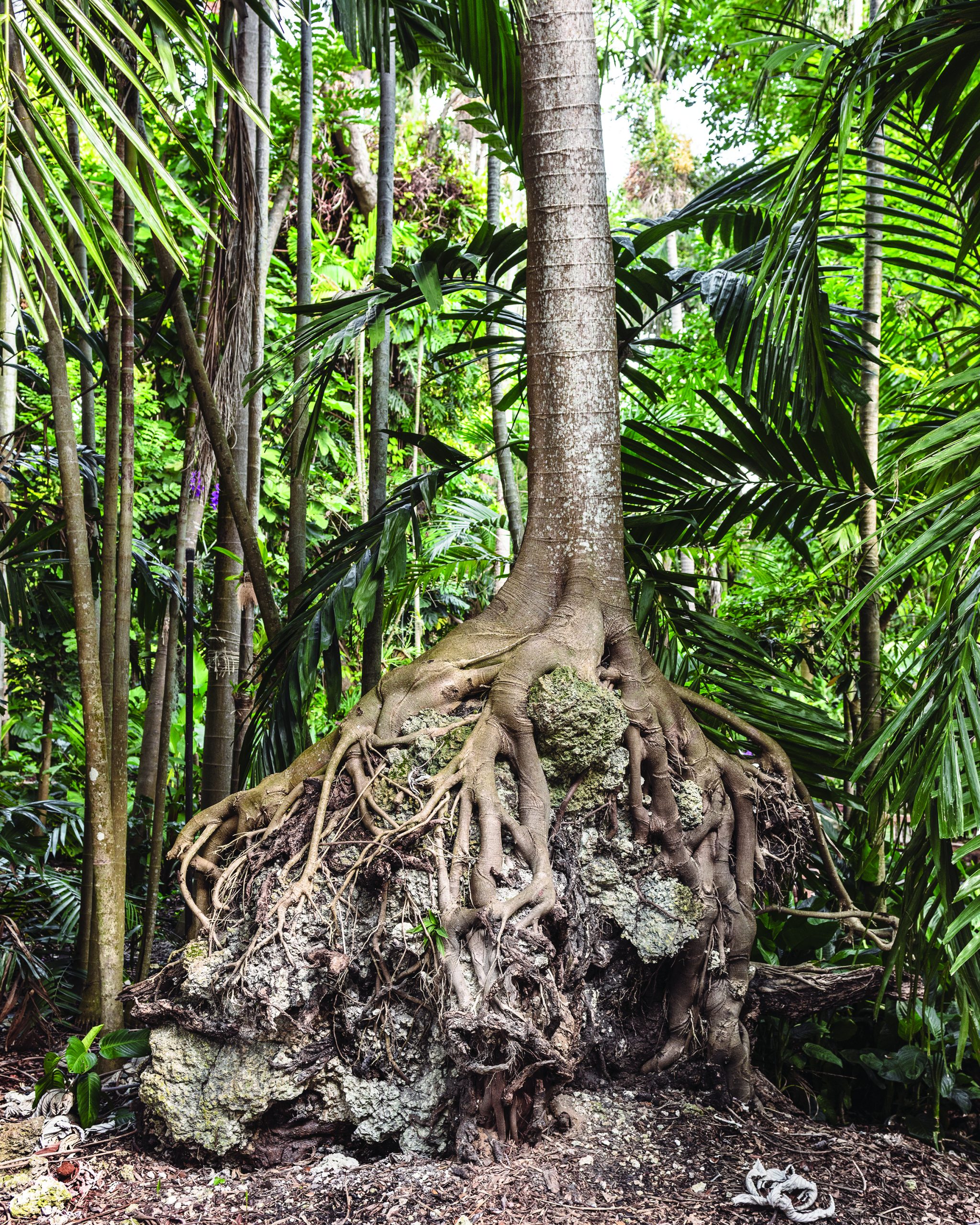
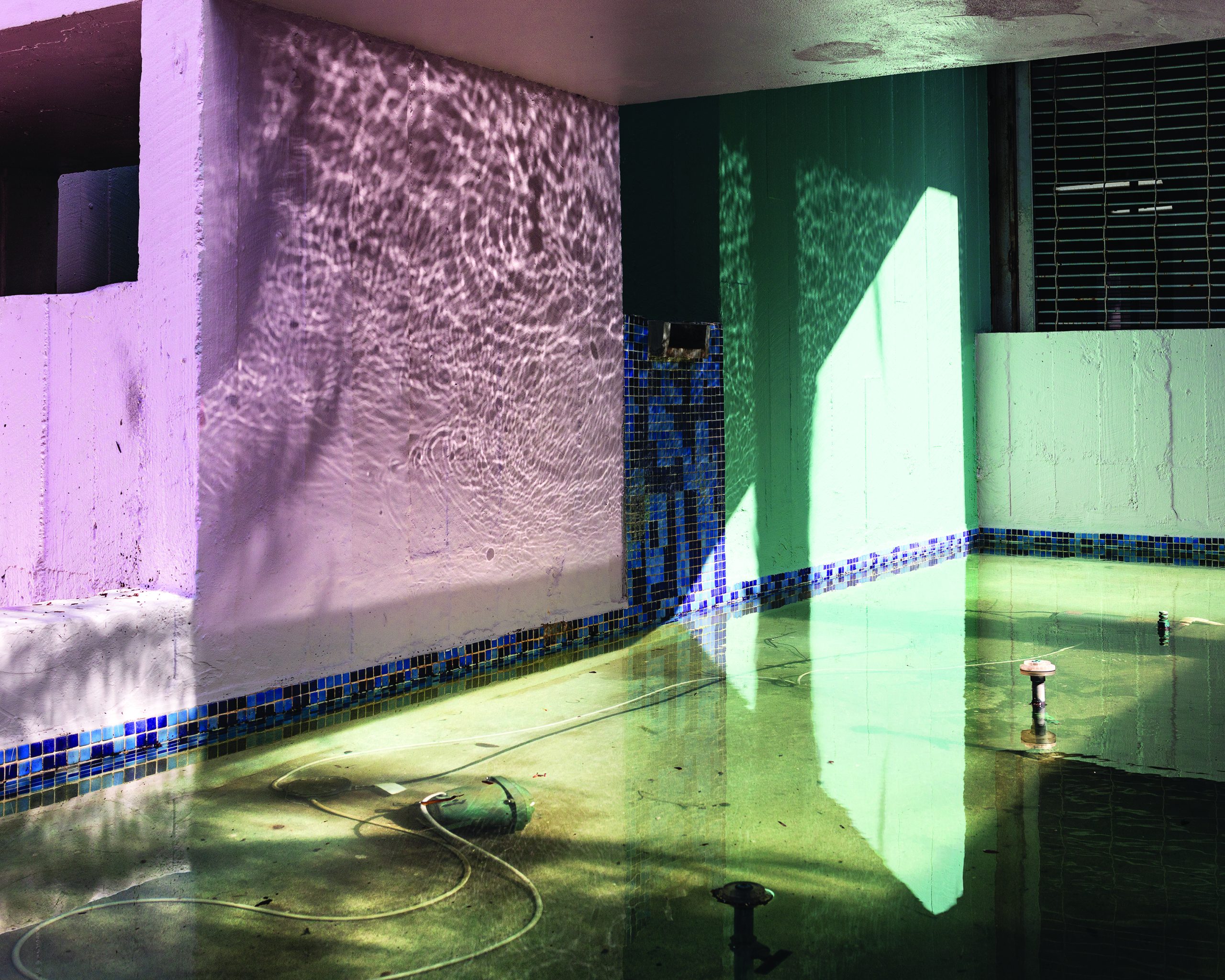
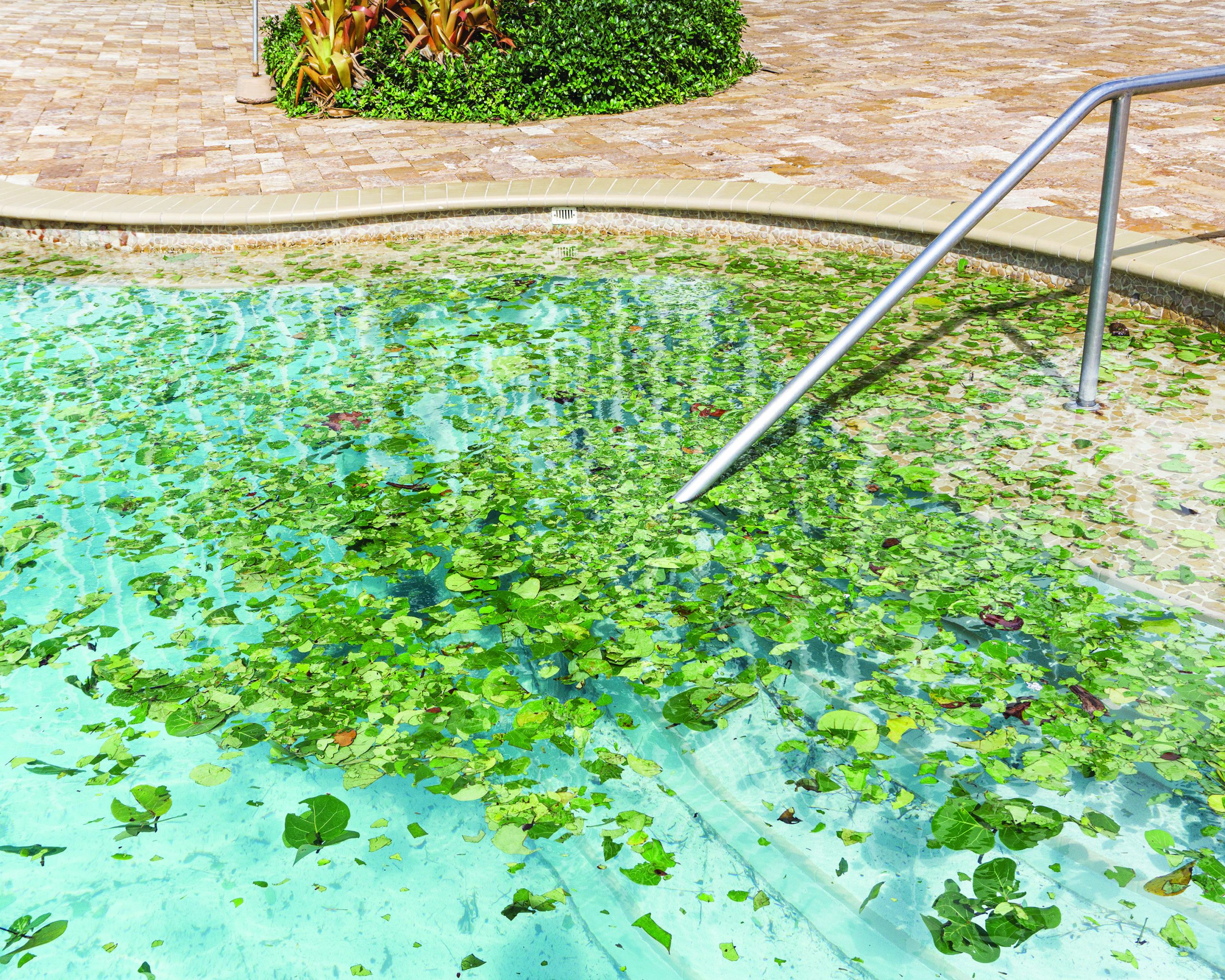
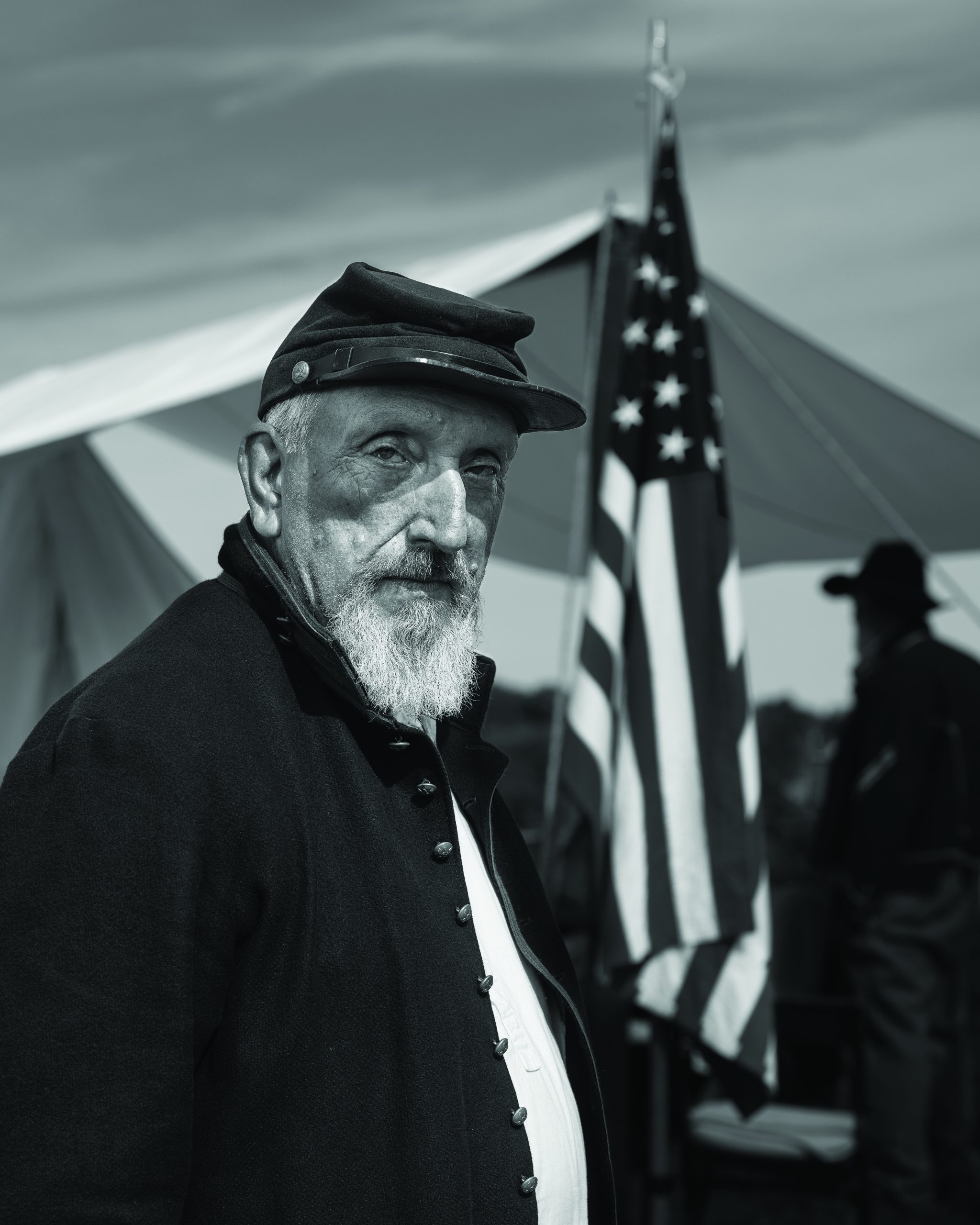
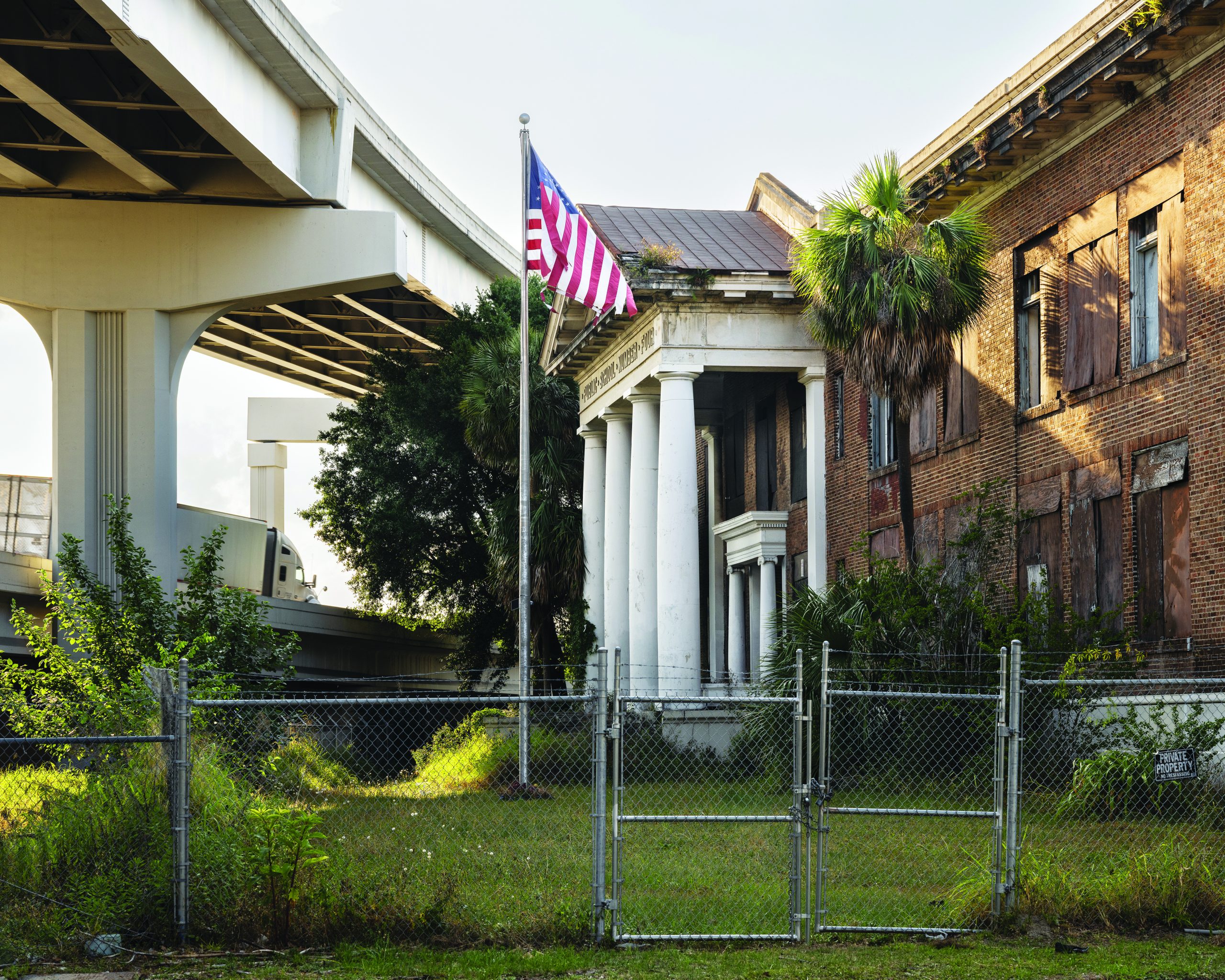

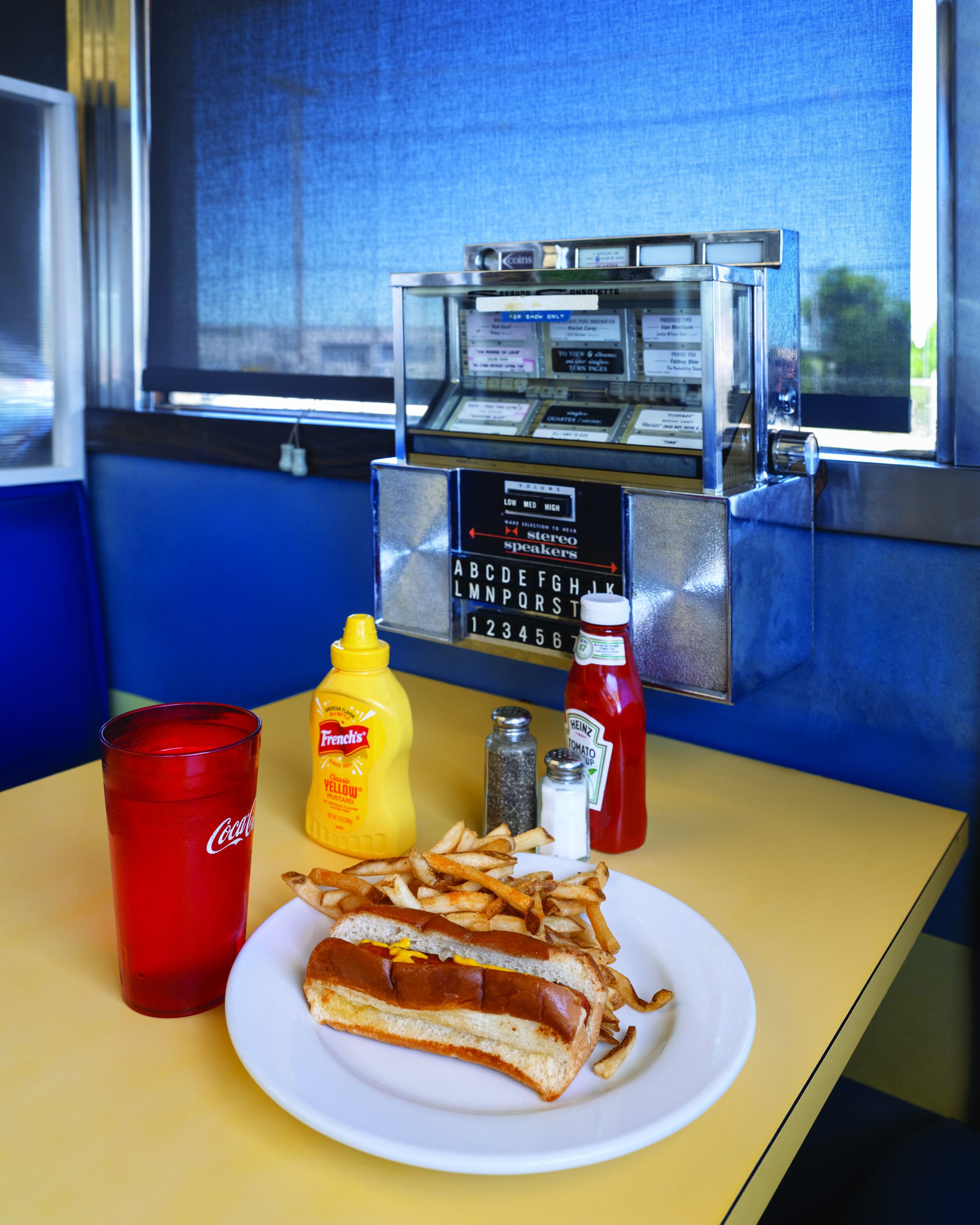
Lead image: FloodZone, Gator, 2017 – Anastasia Samoylova
See more of Anastasia’s work on her website: https://www.anasamoylova.com/